
Mobility Wellness
How Herbal Supplements Can Support Daily Mobility Routines
Safe, Ayurveda-inspired education on using herbal supplements as one part of daily mobility support routines.
Reviewed by Wellness reviewer placeholder
Daily mobility is not only about walking or exercise. In Ayurveda, smooth movement depends on balanced Vata, proper nourishment of the tissues, good digestion, regular sleep, hydration, and a calm nervous system. When the body feels stiff, weak, tired, or less coordinated, families often look for natural ways to support daily movement along with medical care and rehabilitation.
Herbal supplements may be useful as supportive wellness tools, but they should never replace diagnosis, physiotherapy, prescribed medicines, or professional rehabilitation guidance. This is especially important for people recovering after stroke, managing nerve weakness, Parkinson’s-related mobility challenges, or age-related physical decline. Stroke rehabilitation and structured physical activity are widely recommended parts of recovery and function-building after stroke.
Start with professional guidance
Mobility concerns can come from many causes, including stroke, nerve weakness, joint stiffness, muscle weakness, balance issues, Parkinson’s symptoms, nutritional deficiency, diabetes-related neuropathy, injury, or age-related decline.
Before adding any herbal supplement, the first step should be consultation with a qualified healthcare professional. A doctor, physiotherapist, or rehabilitation specialist can help identify what type of movement routine is safe, how much assistance is needed, and whether any warning signs require urgent medical attention.
From an Ayurvedic perspective, a practitioner may also look at digestion, sleep, bowel habits, body strength, age, constitution, and the person’s current energy level before suggesting herbs or wellness routines.
Where herbal supplements may fit
Herbal supplements may support general wellness when used properly and consistently. They may be included as part of a broader mobility routine that also includes gentle movement, stretching, hydration, balanced nutrition, adequate rest, and family support.
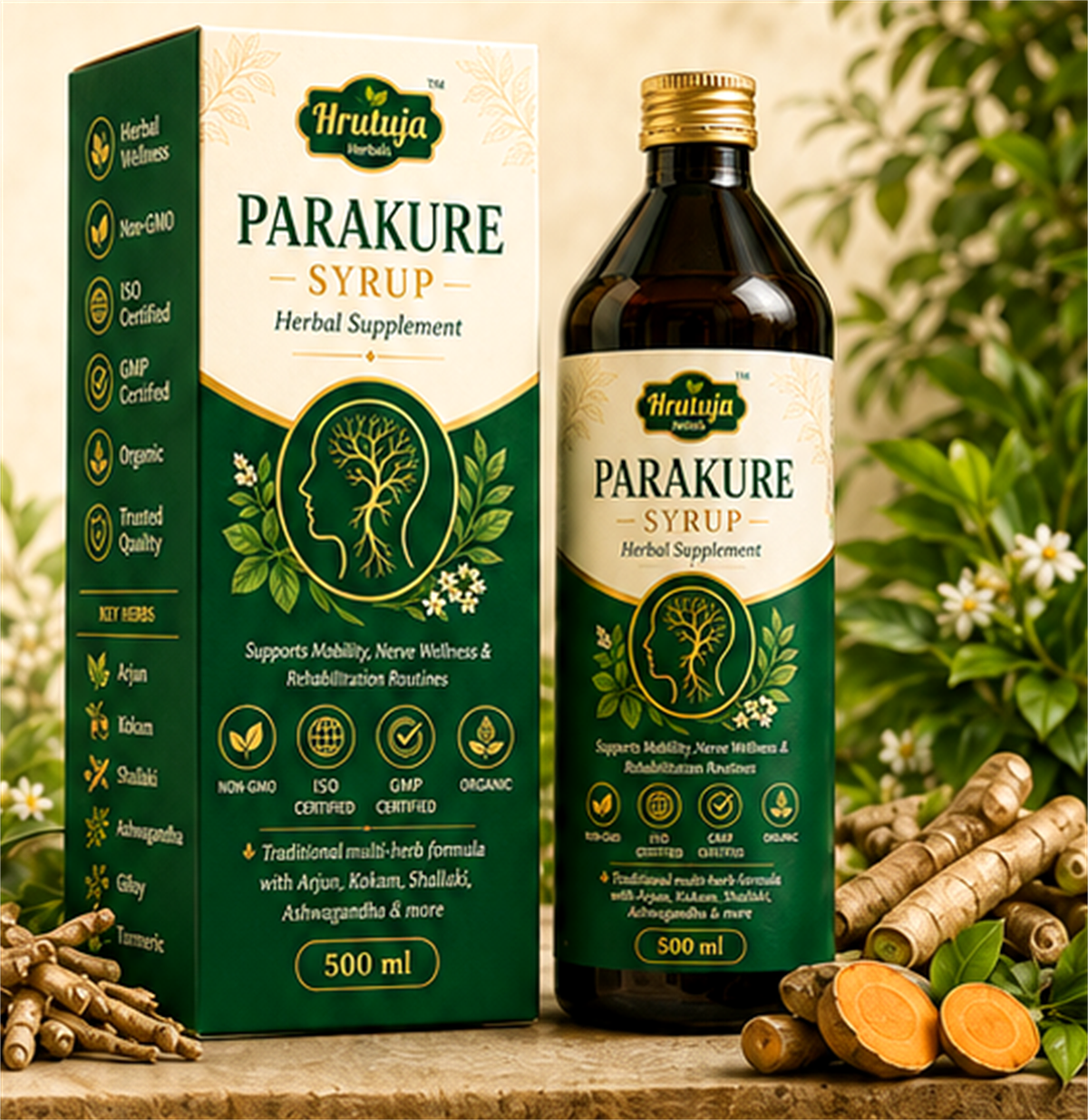
In Ayurveda-inspired wellness, herbs are often selected to support strength, vitality, flexibility, circulation, digestion, and nervous system balance. For example, traditional herbs such as Ashwagandha, Brahmi, Moringa, Turmeric, Arjun, Giloy, Shallaki, Kokam, and Sankhpushpi are commonly discussed in wellness contexts for supporting daily routines.
However, responsible supplement education should use support-oriented language. A supplement should not be presented as a cure for paralysis, stroke, Parkinson’s disease, neuropathy, or any neurological condition. In the U.S., dietary supplement claims are generally limited to supporting normal body structure/function or general well-being, not diagnosing, treating, curing, or preventing disease.
Build a daily mobility-support routine
A practical routine should be simple enough for the person and family to follow every day. Start small and remain consistent.
A safe daily approach may include gentle stretching, assisted walking when appropriate, simple chair exercises, breathing practices, proper hydration, warm meals, and enough rest. For post-stroke or neurological recovery, exercise and mobility routines should be guided by professionals because needs vary from person to person.
In Ayurveda, daily routine is called Dinacharya. A balanced Dinacharya may include waking at a regular time, light movement, warm water, nourishing food, oil massage when suitable, and calm sleep habits. These daily habits may support the body’s natural rhythm and help families create consistency around care.
Ayurvedic view of mobility and Vata balance
Ayurveda connects movement, nerve impulses, coordination, dryness, stiffness, tremors, and weakness mainly with Vata dosha. When Vata becomes disturbed, the body may feel dry, unstable, weak, restless, or stiff.
A Vata-supportive lifestyle generally emphasizes warmth, routine, nourishment, oiliness, rest, and gentle movement. This may include warm foods, regular sleep, light stretching, calm surroundings, and supportive herbal wellness products when appropriate.
For older adults and people with mobility concerns, the goal should not be aggressive exercise. The goal should be safe, steady, gentle progress.
What to avoid
Avoid any product, practitioner, or advertisement that promises guaranteed recovery, disease reversal, or replacement for medical treatment. Be cautious with claims such as “cures paralysis,” “reverses stroke,” “stops Parkinson’s,” or “repairs nerves permanently.”
Also avoid using multiple supplements together without professional advice, especially if the person is taking blood thinners, diabetes medicines, blood pressure medicines, Parkinson’s medicines, seizure medicines, or heart medicines. Herbal and dietary supplements can interact with medicines or create risks in certain health conditions.
Quality is also important. Some Ayurvedic preparations have been reported to contain harmful levels of heavy metals, so families should choose products from responsible manufacturers with proper quality standards, clear labeling, and testing practices.
A balanced family-care approach
Mobility support works best when the family is involved. Family members can help with safe walking spaces, fall-risk awareness, hydration reminders, medicine timing, sleep routines, emotional support, and regular follow-ups with healthcare professionals.
A supportive home environment can make a big difference. Remove loose rugs, keep walking paths clear, use proper footwear, ensure good lighting, and keep frequently used items within easy reach. These small steps can help reduce fear and build confidence.
Final wellness note
Herbal supplements can be a meaningful part of a daily mobility-support routine when used with care, honesty, and professional guidance. Ayurveda teaches that healing support is not one single product or one single habit. It is a combination of proper routine, nourishment, movement, rest, emotional care, and the right support at the right time.
For families, the best approach is simple: consult professionals, stay consistent, avoid exaggerated claims, and use herbal supplements only as supportive wellness companions—not as treatment replacements.