
Neuro Wellness
Brahmi, Ashwagandha and Shankhpushpi: Traditional Herbs for Neuro Wellness
A practical Ayurveda-inspired guide to three traditional herbs often used in neuro wellness, focus, calmness, and daily recovery-support routines.
Reviewed by Wellness reviewer placeholder
In Ayurveda, the health of the nervous system is closely connected with Vata balance, mental calmness, quality sleep, proper digestion, nourishment of tissues, and a stable daily routine. When the body and mind feel weak, restless, tired, forgetful, or less coordinated, Ayurveda does not look at one symptom alone. It looks at the whole person, including lifestyle, food habits, age, stress level, sleep pattern, energy, and daily activity.
Brahmi, Ashwagandha, and Shankhpushpi are three traditional herbs often discussed in Ayurveda-inspired neuro wellness routines. They are commonly associated with calmness, memory-friendly habits, focus support, stress balance, nerve wellness, and recovery-support routines.
These herbs should be understood as part of a broader wellness approach. They are not a replacement for medical diagnosis, prescribed medicines, physiotherapy, neurological care, or professional rehabilitation. However, when used responsibly, herbal supplements may support daily wellness routines and help families build consistency around recovery, rest, nutrition, and gentle activity.
Ayurveda’s View of Neuro Wellness
Ayurveda traditionally connects the nervous system with Vata dosha. Vata governs movement, nerve impulses, speech, coordination, breathing rhythm, mental activity, and sensory response.
When Vata becomes disturbed, a person may experience dryness, restlessness, poor sleep, weakness, tremors, stiffness, low confidence, or difficulty maintaining steady routines.
For neuro wellness, Ayurveda focuses on:
- Calming and nourishing the nervous system
- Supporting mental clarity and memory-friendly routines
- Maintaining healthy sleep and daily rhythm
- Supporting strength and stamina during recovery routines
- Encouraging gentle movement, hydration, and balanced nutrition
- Reducing excess stress and irregular lifestyle patterns
Herbs such as Brahmi, Ashwagandha, and Shankhpushpi are traditionally valued because they are often used in Medhya Rasayana and wellness-support contexts. “Medhya” refers to intellect, memory, and mental clarity, while “Rasayana” refers to nourishment, rejuvenation, and long-term wellness support.
Brahmi: Traditional Support for Memory, Calmness, and Focus
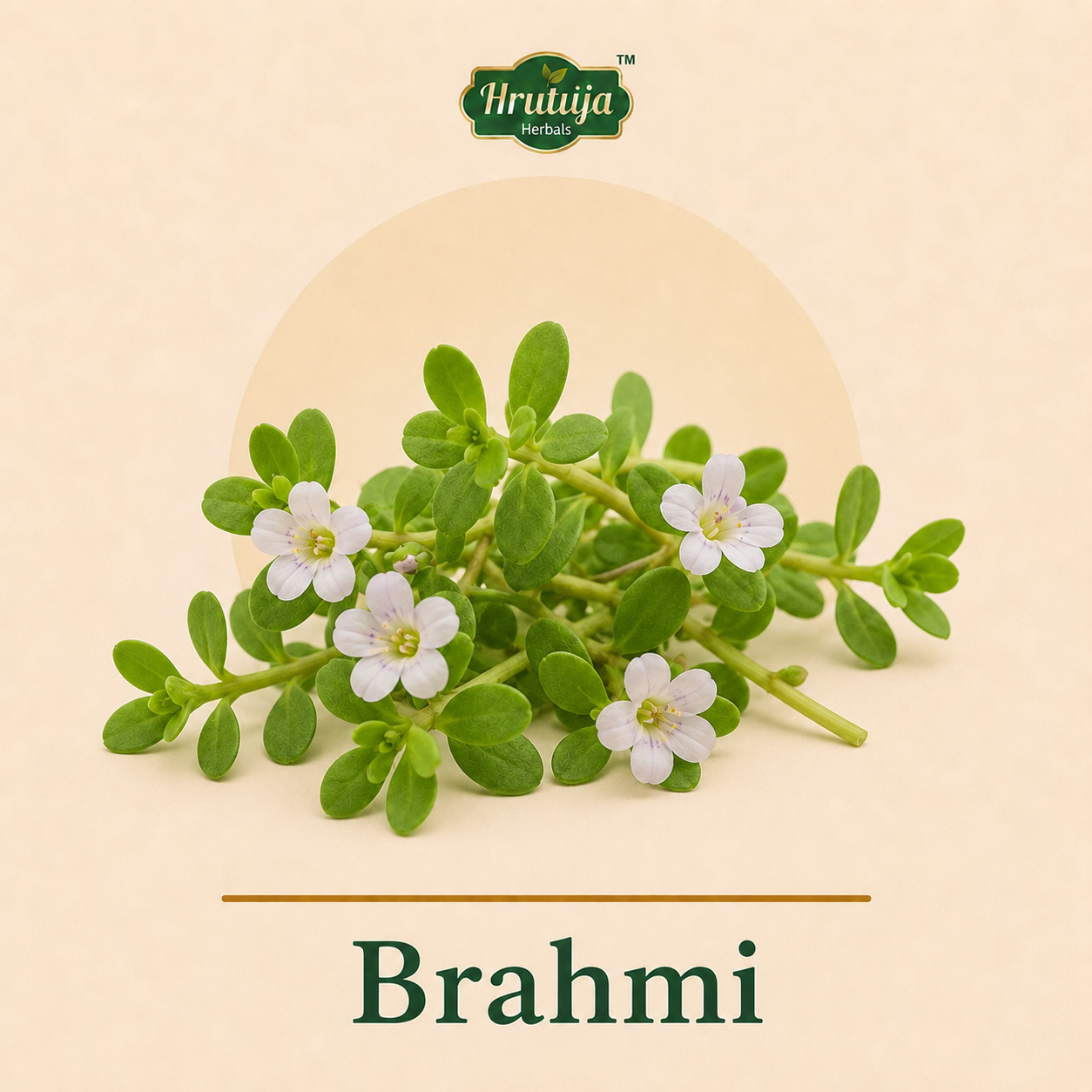
Brahmi is one of the most respected herbs in Ayurveda for mental wellness. Traditionally, it is used to support memory, learning, concentration, calmness, and emotional balance.
In daily wellness routines, Brahmi is often chosen for people who need gentle support for focus, mental alertness, and calm thinking. It is commonly included in Ayurveda-inspired routines where the goal is to support the mind without creating overstimulation.
Traditional Wellness Positioning of Brahmi
Brahmi may be used to support:
- Memory-friendly routines
- Calmness and mental steadiness
- Focus and attention
- Restful daily rhythm
- Emotional balance
- General neuro wellness
From an Ayurvedic point of view, Brahmi is often considered useful when the mind feels overloaded, distracted, or restless. It is not meant to work like an instant stimulant. Instead, it is traditionally used as a gentle herb for steady, long-term mental wellness support.
Ashwagandha: Traditional Support for Strength, Stress Balance, and Vitality
Ashwagandha is a well-known Ayurvedic herb traditionally used for strength, stamina, vitality, stress balance, and recovery support. It is often described as a Rasayana herb because it is used to nourish the body and support resilience.
For neuro wellness, Ashwagandha is commonly discussed because stress, poor sleep, weakness, and low energy can affect recovery routines and daily function. When the body is tired and the mind is anxious, it becomes harder to maintain mobility exercises, rehabilitation habits, and a balanced daily schedule.
Traditional Wellness Positioning of Ashwagandha
Ashwagandha may be used to support:
- Daily strength and stamina
- Stress balance
- Sleep-friendly routines
- General vitality
- Recovery-support routines
- Vata-balancing wellness habits
In Ayurveda-inspired care, Ashwagandha is especially valued when the body needs nourishment and grounding. It is often used in routines where weakness, tiredness, and stress are affecting daily wellness.
Shankhpushpi: Traditional Support for Calmness and Mental Clarity
Shankhpushpi is another classical herb traditionally associated with mental calmness, clarity, learning support, and peaceful sleep routines. It is often used in Ayurveda-inspired formulations for people who need calm, steady mental support.
Shankhpushpi is commonly discussed in routines for students, working adults, older adults, and people who want to support mental balance as part of daily wellness.
Traditional Wellness Positioning of Shankhpushpi
Shankhpushpi may be used to support:
- Calmness and relaxation
- Mental clarity
- Focus-friendly routines
- Sleep-supportive habits
- Stress-balanced lifestyle
- General neuro wellness
In traditional Ayurvedic thinking, Shankhpushpi is often selected when the nervous system needs a calm and cooling influence. It may be included in routines where restlessness, overthinking, or poor sleep habits are affecting overall well-being.
Why These Herbs Are Often Combined
Brahmi, Ashwagandha, and Shankhpushpi are often discussed together because they support different but connected aspects of neuro wellness.
Brahmi is traditionally valued for memory, focus, and calmness. Ashwagandha is traditionally valued for strength, stamina, stress balance, and vitality. Shankhpushpi is traditionally valued for calmness, clarity, and sleep-friendly routines.
Together, they may support a balanced wellness routine that focuses on:
- Mind-body balance
- Calmness and focus
- Strength and vitality
- Recovery-support habits
- Better daily consistency
- General nerve and neuro wellness
This is why these herbs are often included in Ayurveda-inspired herbal supplements designed for people looking to support daily wellness, mobility routines, mental clarity, and family-guided care.
Where Herbal Supplements May Fit in Recovery Routines
Recovery is not only about one product or one habit. It usually requires a combination of professional guidance, family support, nutrition, sleep, movement, hydration, emotional encouragement, and consistency.
Herbal supplements may fit as supportive companions in daily recovery routines when used responsibly. They may help support general wellness, calmness, strength, vitality, and routine-building.
However, they should not be described as a cure or replacement for medical care.
For people recovering after major illness, stroke, nerve weakness, Parkinson’s-related challenges, or age-related decline, herbal supplements should be used only as part of a safe wellness plan. A qualified healthcare professional should guide medical treatment, rehabilitation, and medication decisions.
A Simple Ayurveda-Inspired Neuro Wellness Routine
A practical daily routine may include the following steps.
1. Start the Day Calmly
Begin with warm water, light breathing, and a peaceful environment. A calm start may help the body and mind follow a more stable daily rhythm.
2. Use Gentle Movement
Follow safe mobility or rehabilitation exercises recommended by a healthcare professional. Gentle movement may support circulation, flexibility, and confidence.
3. Support Digestion
Eat warm, nourishing, easy-to-digest meals. Ayurveda gives great importance to digestion because proper nourishment begins with proper Agni, or digestive fire.
4. Stay Hydrated
Hydration supports energy, circulation, digestion, and daily function. Families can help by keeping water nearby and creating simple hydration reminders.
5. Protect Sleep
Maintain a regular sleep schedule. Poor sleep can affect memory, mood, strength, focus, and recovery routines.
6. Use Herbal Supplements Responsibly
Take supplements only as directed on the label or as advised by a qualified practitioner. Herbal supplements work best when combined with consistent lifestyle habits.
7. Keep Family Involved
Family members can help with reminders, safe movement, hydration, emotional support, meal routines, and consistency.
Product Education: What to Check Before Using Any Supplement
Before choosing any herbal supplement, families should review the product carefully.
Look for:
- Clear ingredient list
- Proper serving directions
- Quality manufacturing standards
- Batch number and expiry date
- Storage instructions
- Safety precautions
- Responsible wellness language
- No exaggerated cure claims
A trustworthy herbal supplement should educate the customer clearly. It should not create fear, unrealistic expectations, or false hope.
Responsible Expectations
Brahmi, Ashwagandha, and Shankhpushpi have a respected place in traditional Ayurveda-inspired wellness. They may support calmness, focus, strength, vitality, and recovery-support routines.
But they should not be presented as treatments for neurological diseases.
Avoid any claim that says an herbal product can guarantee recovery, reverse disease, cure paralysis, stop Parkinson’s, repair nerves permanently, or replace medical treatment.
Responsible herbal wellness language should use words such as:
- Supports
- Helps maintain
- Promotes general wellness
- Complements daily routines
- Supports recovery routines
- Encourages balance
- Helps support calmness and vitality
This keeps the education safe, honest, and respectful.
Important Precautions
People taking regular medicines should speak with a healthcare professional before using herbal supplements, especially if they are using medicines for:
- Blood pressure
- Diabetes
- Thyroid conditions
- Sleep
- Anxiety
- Parkinson’s disease
- Seizures
- Blood thinning
- Heart health
Pregnant women, breastfeeding mothers, children, elderly individuals with multiple health conditions, and people with liver or kidney concerns should be especially careful and should seek professional advice before using any supplement.
Final Wellness Note
Brahmi, Ashwagandha, and Shankhpushpi are traditional Ayurvedic herbs with a long history in neuro wellness and mind-body support. When used with the right expectations, they may help support calmness, focus, strength, vitality, and daily recovery-support routines.
The best approach is balanced and practical: follow professional medical guidance, maintain a steady daily routine, support the body with nourishing food and sleep, involve family members, and use herbal supplements as supportive wellness companions.
Ayurveda teaches that true wellness is built slowly through consistency, balance, and care. Herbal supplements can be part of that journey when used responsibly.