
Ayurvedic Ingredients
Understanding GMP, Non-GMO and Quality Labels in Herbal Products
Understand common herbal supplement quality labels and how to evaluate GMP, Non-GMO, ingredient transparency, and product safety responsibly.
Reviewed by Quality reviewer placeholder
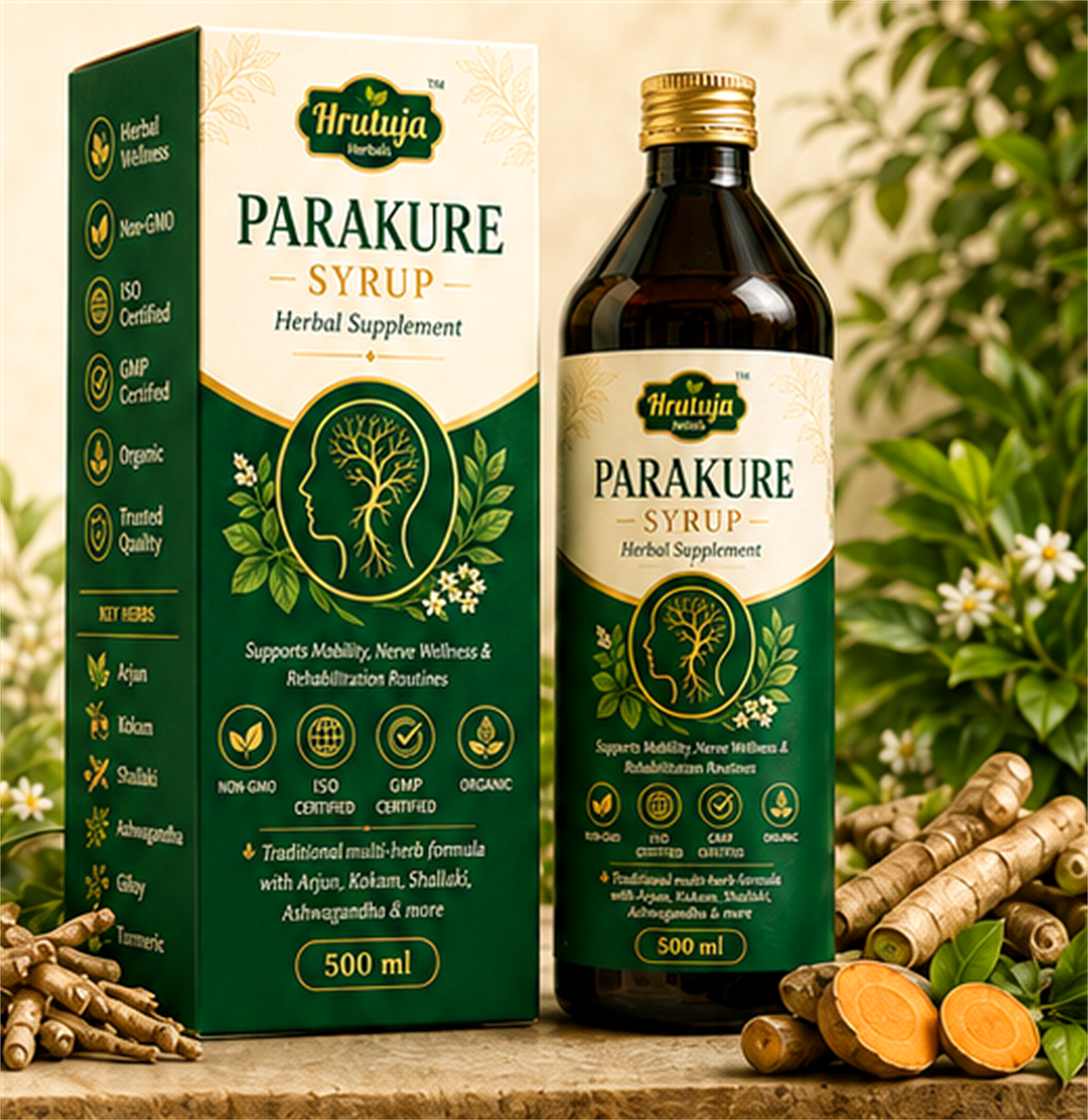
When buying herbal supplements, customers often see quality-related words such as GMP, Non-GMO, ISO, natural, herbal, Ayurveda-inspired, or premium quality. These labels can help shoppers compare products, but they should be used responsibly and understood clearly.
A quality label should not be treated only as a design element on packaging. It should represent real manufacturing care, ingredient transparency, proper documentation, and responsible product education.
For families buying herbal supplements for mobility wellness, nerve wellness, neuro wellness, vitality, or daily recovery-support routines, quality matters. A supplement is not only about herbs; it is also about how those herbs are sourced, processed, packed, labeled, stored, and explained to customers.
Why Quality Labels Matter in Herbal Products
Herbal supplements are often used by people who want natural wellness support. Many customers buy them for elderly family members, people with weakness, people following rehabilitation routines, or those looking for general vitality and balance.
Because of this, the product should be presented with honesty and care.
Quality labels can help customers understand:
- How the product may have been manufactured
- Whether the brand follows hygiene and process standards
- Whether the ingredients are clearly listed
- Whether the product label is transparent
- Whether the company uses responsible wellness language
- Whether customers can trust the brand’s communication
However, labels alone are not enough. Customers should always review the full product information, not only the icons or badges.
What GMP Means
GMP generally stands for Good Manufacturing Practice. In simple terms, GMP refers to manufacturing expectations related to hygiene, consistency, documentation, process control, storage, and quality handling.
For herbal supplements, GMP is important because it supports better control over how products are made and packed.
A GMP-focused manufacturing approach may include:
- Clean production environment
- Proper handling of ingredients
- Batch-wise production records
- Hygiene standards
- Quality checks
- Consistent processes
- Proper storage practices
- Clear labeling and packaging control
When a product mentions GMP, customers should understand that it is connected with manufacturing discipline. It does not automatically mean that a product can cure or treat any condition. GMP is about manufacturing quality, not medical effectiveness.
Why GMP Is Important for Herbal Supplements
Herbal supplements often contain plant-based ingredients such as Ashwagandha, Brahmi, Turmeric, Giloy, Arjun, Shallaki, Moringa, Kokam, or Shankhpushpi. These ingredients need proper handling from sourcing to packaging.
GMP-style practices can help ensure that each batch is produced with better consistency and care.
This matters because customers want confidence that:
- The product is made in a clean environment
- Ingredients are handled properly
- The product is packed safely
- Batch details are traceable
- The label reflects the product accurately
- The product is not made casually or carelessly
A good herbal brand should be willing to explain its manufacturing and quality practices clearly.
What Non-GMO Means
Non-GMO generally means that the product or ingredients are not made using genetically modified organisms. In herbal wellness products, Non-GMO labeling is often used to communicate natural sourcing and ingredient integrity.
However, Non-GMO should be used responsibly. It should not be placed on the label only for decoration or marketing appeal.
If a brand uses Non-GMO language, it should have honest sourcing practices and proper documentation to support the claim.
Why Non-GMO Labeling Should Be Honest
Many customers are attracted to natural and traditional products. Because of this, some brands may overuse labels such as natural, pure, organic, chemical-free, or Non-GMO without clearly explaining what they mean.
A responsible brand should avoid confusing customers.
Non-GMO labeling should be supported by:
- Responsible ingredient sourcing
- Supplier documentation when applicable
- Clear product communication
- Honest packaging claims
- No exaggerated fear-based marketing
Non-GMO can be a useful trust signal, but it should not be treated as proof that a product is suitable for everyone or capable of treating medical conditions.
Understanding ISO and Other Quality Labels
Some herbal products may also mention ISO, organic, natural, vegan, gluten-free, sugar-free, or other quality-related terms.
These labels can be helpful, but customers should understand them properly.
ISO
ISO usually refers to a quality management or process-related standard. If a product mentions ISO, customers may ask whether the manufacturing facility or company follows an ISO-certified system.
Organic
Organic labeling should be backed by proper sourcing and certification where applicable. A product should not simply use the word organic without support.
Natural
Natural means the product may contain plant-based or naturally derived ingredients, but customers should still check the full ingredient list.
Herbal
Herbal means the product includes herbs or plant-based ingredients. It does not automatically mean the product is safe for everyone.
Sugar-Free or Gluten-Free
These labels may be useful for specific customers, but they should be accurate and relevant to the formula.
Quality Labels Do Not Replace Product Education
A product may have good quality labels, but customers should still read the complete product information.
Before buying, check:
- What ingredients are included?
- What is the suggested use?
- Who should avoid the product?
- Are there any precautions?
- Is the brand making realistic claims?
- Is the manufacturing and marketing information clear?
- Is customer support available?
- Are the policy pages easy to find?
A trustworthy supplement should educate customers, not confuse them.
What to Check on the Product Label
The product label should provide clear and readable information. Customers should look for:
- Product name
- Net quantity
- Ingredient list
- Suggested use or serving directions
- Storage instructions
- Mfg. Lic. No.
- Batch No.
- Mfg. Date
- Expiry Date
- M.R.P.
- Manufactured by details
- Distributed and marketed by details
- Customer support contact
- Product disclaimer or caution statement
These details help customers understand the product better and make a more informed purchase decision.
Ingredient Transparency Matters
Herbal supplements should clearly show the key ingredients. For example, a neuro wellness or mobility-support product may include herbs traditionally discussed in Ayurveda-inspired routines, such as:
- Ashwagandha
- Brahmi
- Turmeric
- Giloy
- Arjun
- Shallaki
- Moringa
- Kokam
- Shankhpushpi
Each ingredient should be presented with safe and responsible language. The product page may explain the traditional wellness role of each herb, but it should avoid exaggerated disease-treatment claims.
Responsible Wellness Positioning
Quality is not only about manufacturing. It is also about communication.
A responsible herbal brand should use safe wellness language such as:
- Supports daily wellness
- Helps maintain vitality
- Supports mobility routines
- Supports nerve wellness routines
- Promotes calmness and balance
- Complements a healthy lifestyle
- Supports recovery-support habits
- Encourages daily wellness consistency
Customers should be careful with products that claim:
- Cure for paralysis
- Reverses stroke
- Stops Parkinson’s
- Repairs nerves permanently
- Guaranteed recovery
- Works for everyone
- No doctor needed
- Results in a few days
These claims are not responsible. Herbal supplements should support wellness routines, not replace medical care.
Quality and Ayurveda-Inspired Wellness
In Ayurveda, herbs are not used casually. Traditional Ayurvedic thinking considers the person’s constitution, digestion, strength, age, season, lifestyle, and current condition.
This is why quality and guidance are important. The same herb may not be suitable for every person in every situation.
A responsible Ayurveda-inspired wellness product should respect:
- Proper herb selection
- Correct usage guidance
- Balanced formulation
- Clear precautions
- Honest expectations
- Supportive lifestyle education
- Professional guidance when needed
Ayurveda teaches that long-term wellness is built through balance, routine, nourishment, and careful use of supportive herbs.
How Customers Can Evaluate a Herbal Brand
Before trusting a herbal supplement brand, customers should review the overall brand experience.
Ask these questions:
- Does the product label look clear and professional?
- Are the ingredients explained properly?
- Are the quality labels used responsibly?
- Are product photos readable?
- Are serving directions mentioned?
- Are precautions included?
- Is there a customer support channel?
- Are shipping and refund policies available?
- Are the claims realistic?
- Does the brand avoid fear-based marketing?
A good brand should make customers feel informed, respected, and supported.
Why Batch Number and Expiry Date Are Important
Batch number and expiry date are important quality details. They help with product tracking, freshness, and customer confidence.
Customers should avoid products where:
- Batch number is missing
- Expiry date is unclear
- Mfg. date is not visible
- M.R.P. is not mentioned
- Label details look incomplete
- Packaging appears damaged or tampered with
For wellness products, clear batch and expiry information should always be available.
Why Customer Support Is a Quality Signal
Customer support is also part of product quality. A reliable brand should make it easy for customers to ask questions before and after purchase.
Good support may include:
- Phone support
- WhatsApp support
- Email support
- Contact form
- Order tracking help
- Product usage guidance
- Clear response timing
A brand that provides customer support shows that it is serious about customer care.
Important Precautions Before Using Herbal Supplements
Herbal supplements may support wellness routines, but they may not be suitable for everyone.
Customers should consult a qualified healthcare professional before using supplements, especially if they:
- Take regular medicines
- Have diabetes
- Have blood pressure concerns
- Have heart conditions
- Take blood thinners
- Have Parkinson’s disease
- Have seizure history
- Have liver or kidney concerns
- Are pregnant or breastfeeding
- Are elderly with multiple health conditions
This is especially important when herbal supplements are used along with medical treatment or rehabilitation routines.
Final Shopper Checklist
Before buying a herbal supplement, check:
- GMP or quality manufacturing information
- Non-GMO or sourcing claims
- Ingredient list
- Suggested use
- Product photos
- Label details
- Batch number
- Mfg. date
- Expiry date
- M.R.P.
- Manufacturer and marketer details
- Precautions
- Customer support
- Shipping and refund policies
- Realistic wellness language
Quality labels are helpful only when they are supported by transparency, honest sourcing, clear labeling, and responsible communication.
Final Wellness Note
GMP, Non-GMO, ISO, and other quality labels can help customers compare herbal supplements, but they should not be viewed in isolation. A truly trustworthy herbal product combines quality manufacturing, ingredient transparency, clear labeling, honest claims, and accessible customer support.
For Ayurveda-inspired wellness, quality is not just about what is written on the label. It is about the care behind the product, the honesty of the brand, and the safety of the customer.
Choose herbal supplements that support wellness with clarity, responsibility, and respect.